

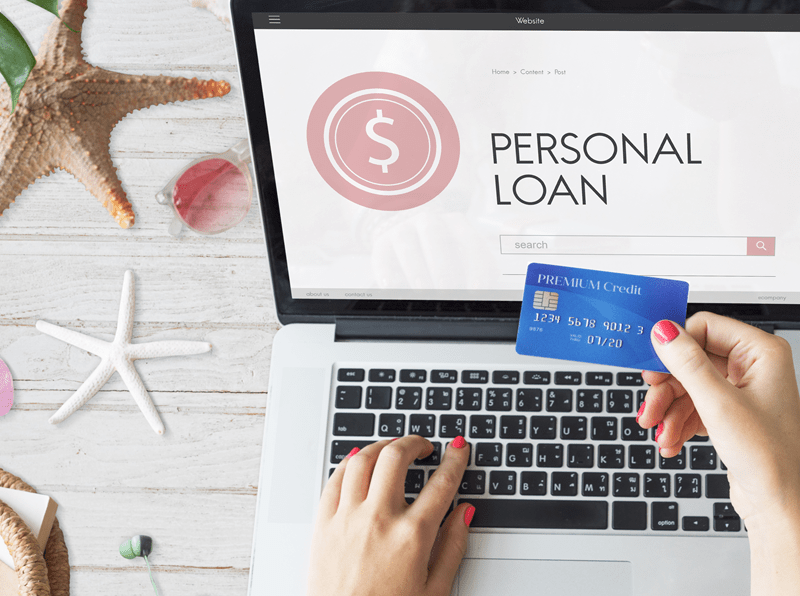
The personal loan vs credit card choice depends on how money is borrowed and how it is paid back. Both options are common in daily financial life. Some people use them for planned needs, while others depend on them for regular spending.
This blog works as a borrowing guide, supports better debt management, and offers a clear loan comparison. It explains how each option works, where it fits best, and how to choose with confidence and calm thinking.
A personal loan gives one a fixed amount at a single time. That amount is then paid back in equal parts over a set period. From the first payment itself, the borrower already knows when the loan will end. This brings clarity and steady direction.
A credit card works in a very different way. It gives access to a spending limit that can be used many times. Once a payment is made, the limit opens again. There is no fixed end date unless the full balance is cleared at once.
In the personal loan vs credit card choice, one follows a straight path, and the other stays open and flexible. Personal loans are fixed and quiet in the background, while credit cards can help you in your daily spending. This small difference shapes how people feel about repayment, pressure, and control.
This borrowing guide explains how people use both options in real daily situations. A personal loan is often used when the expense is clear and planned. It may be for home rennovation, personal goals, or other needs that happen once and then close.
A credit card fits better with daily spending. It is used for shopping, travel, food needs, and home use. The amount changes every month based on how life moves. This makes it useful for needs that are not fixed.
This borrowing guide shows that neither option is right or wrong on its own. The right choice depends on the nature of the expense, not just the comfort of access.
In this loan comparison, repayment style is one of the strongest points of difference. A personal loan follows one simple rule. The same payment is made every month until the loan ends. Nothing changes unless a payment is missed.
A credit card works with changing payments. The amount due changes based on the balance and the spending of that month. Paying only the minimum can stretch the balance for a long time.
This loan comparison makes one thing clear. Fixed repayment brings mental calm. Changing repayment brings freedom, but it also needs stronger self-control.
Debt management becomes easier when the path of repayment is clear. With a personal loan, every payment moves the balance down in a straight line. Progress is easy to see, even when the month feels heavy.
With a credit card, the balance can stay at the same level for a long time if spending continues. New charges can cancel out payments without notice. This often makes debt management harder for people who do not track closely.
In the personal loan vs credit card decision, long-term control matters more than short-term comfort. The best choice is the one that makes repayment feel stable, not stressful.

The following list will help you with the information that can make it easy for you to manage debt:
A personal loan gives one clear rule. Pay the same amount every month until the end. This helps people plan their income and spending with confidence. A credit card changes each month based on use, which means the payment needs close attention.
A credit card allows money to be used repeatedly. This makes it useful for daily needs and surprise spending. A personal loan is usually used once and then repaid in full. This makes it better for fixed goals.
A personal loan builds discipline through limits and a clear end date. A credit card needs inner control because the spending line never fully closes on its own.
Before choosing between the two options, it helps to slow down and look at three basic decision points. These points help connect daily behavior with long-term peace of mind. They also help avoid rushed borrowing.
Purpose should always come first. A personal loan works best for one-time needs that have a clear goal and a clear end. A credit card fits better with daily spending that changes month to month. Choosing without a purpose often leads to weak debt management over time.
Personal loans offer the same payment each month. This makes budgeting easier and calmer. Credit card payments rise and fall with spending. This can feel light in the beginning but becomes heavy if the balance grows.
People who control spending well often handle credit cards safely. People who prefer limits and routine often feel safer with personal loans. Knowing one’s own habits protects against regret later.
When purpose, payment control, and habits match, borrowing becomes easier to manage. These three decision points work like simple guard walls for long-term balance.
Choosing between a personal loan and a credit card depends on purpose, habits, and comfort with repayment. With the right borrowing guide and steady debt management focus, both options can serve well. A clean loan comparison always leads to calmer and safer financial choices.
It depends on whether the user prefers fixed monthly payments or open spending access.
A borrowing guide explains use, repayment, and control before mistakes happen.
Debt management improves with steady payment habits, not just tool type.
Loan comparison helps match real habits with the correct repayment structure.
Yes, if used with purpose, tracking, and steady repayment discipline.
This content was created by AI